Engineering Research for Environmental Infrastructure
Research publications, engineering notes, strategic perspectives, and technology papers shaping the future of sustainable mobility and intelligent environmental infrastructure.
White PaperTRN-001Environmental Infrastructure Engineering: Defining a New Discipline
An introduction to Environmental Infrastructure Engineering — the discipline of designing transportation assets that capture carbon, purify air, harvest water and produce environmental intelligence across their operational lifecycle.
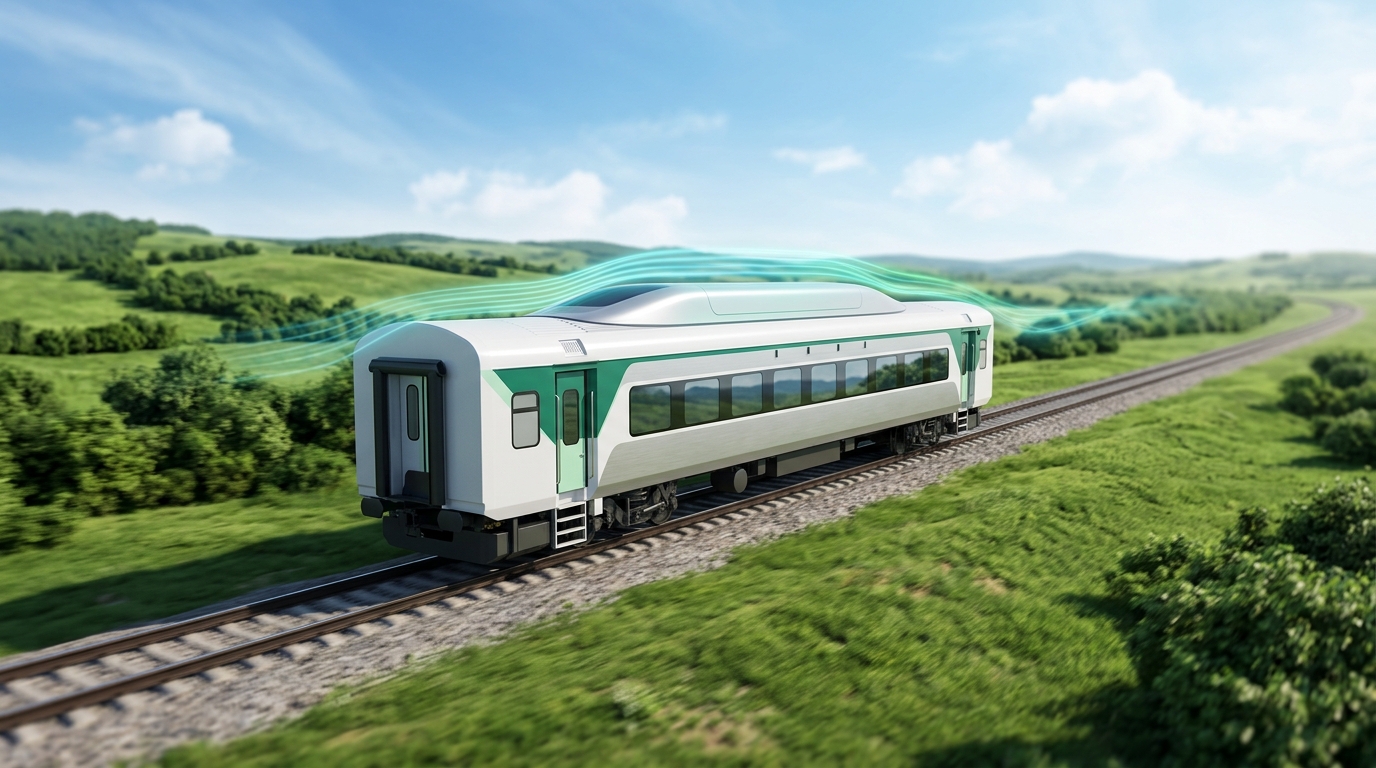
Engineering NoteTRN-002Rooftop Integration: Engineering the IERP for LHB Coaches
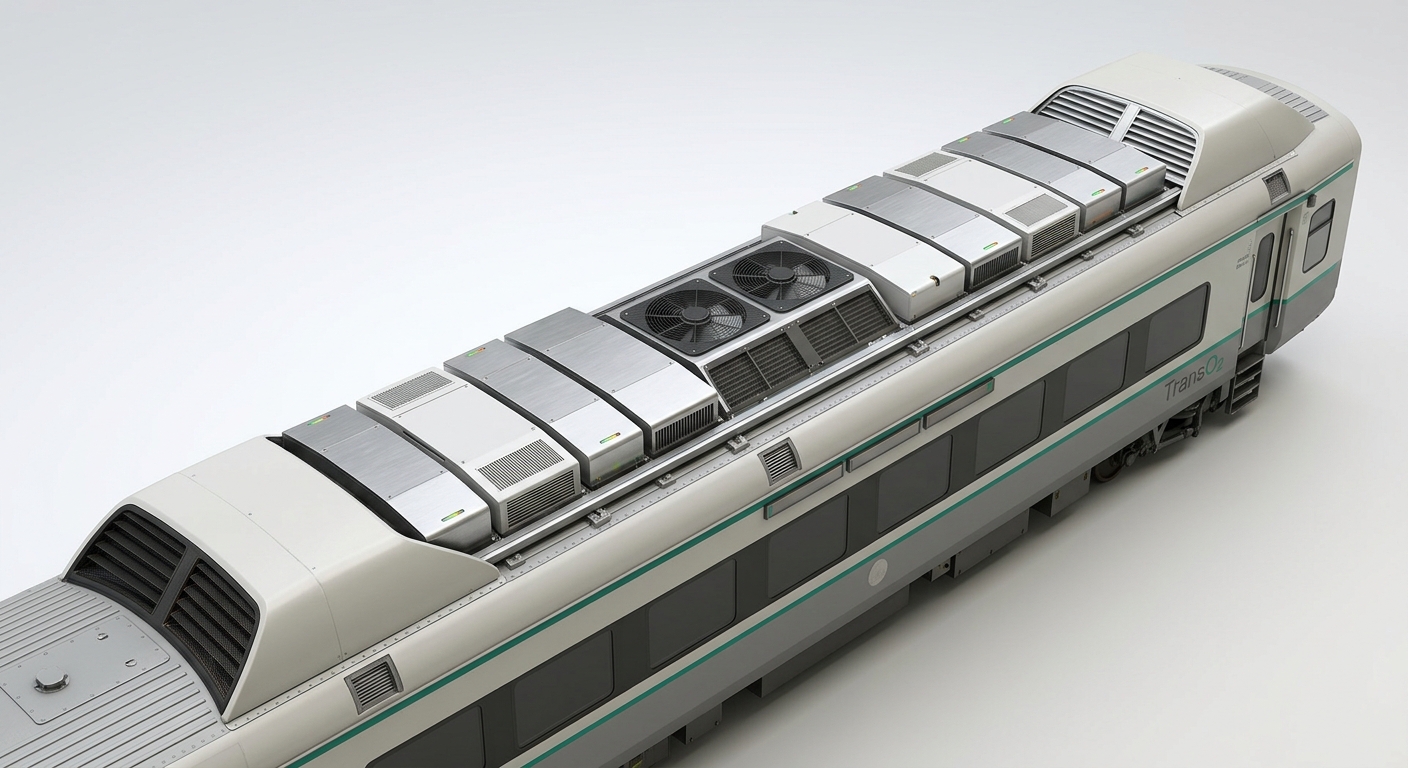
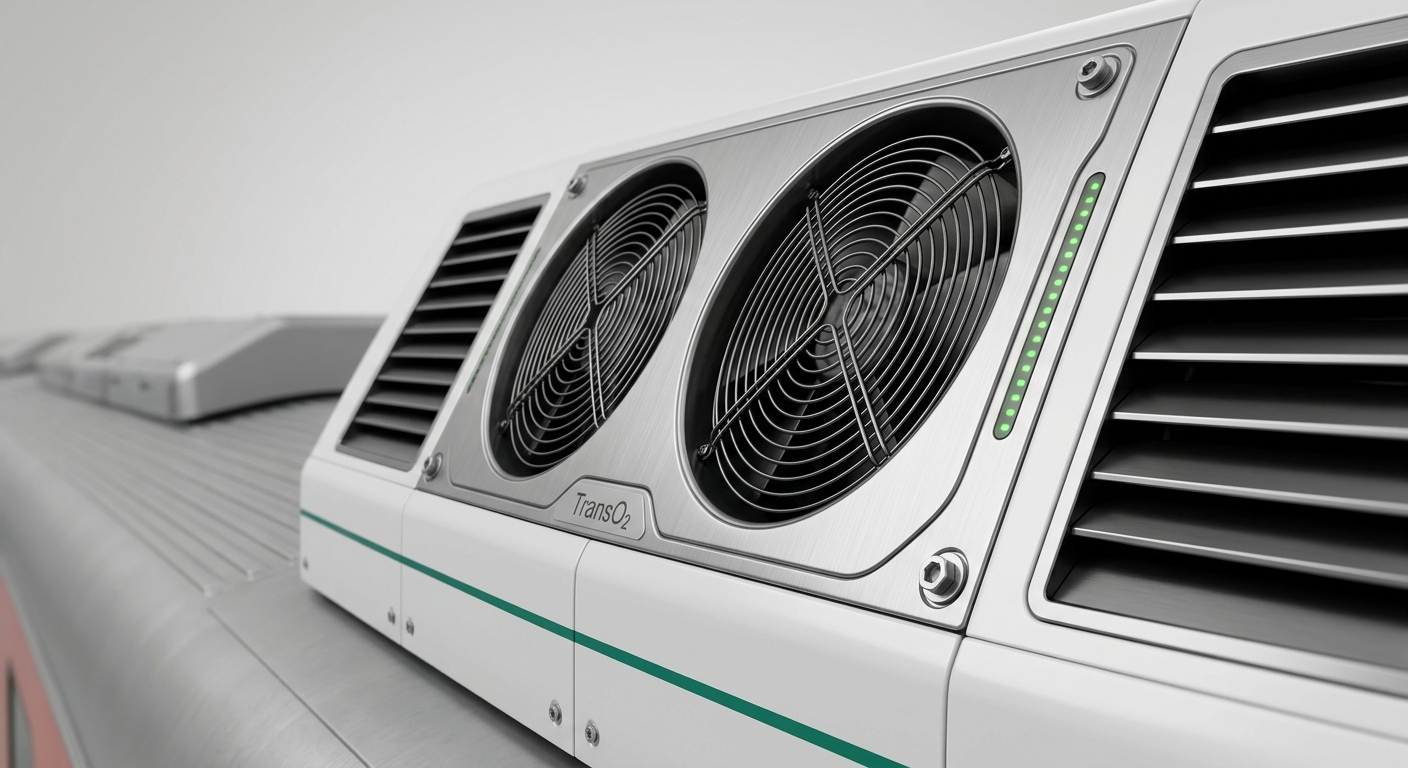
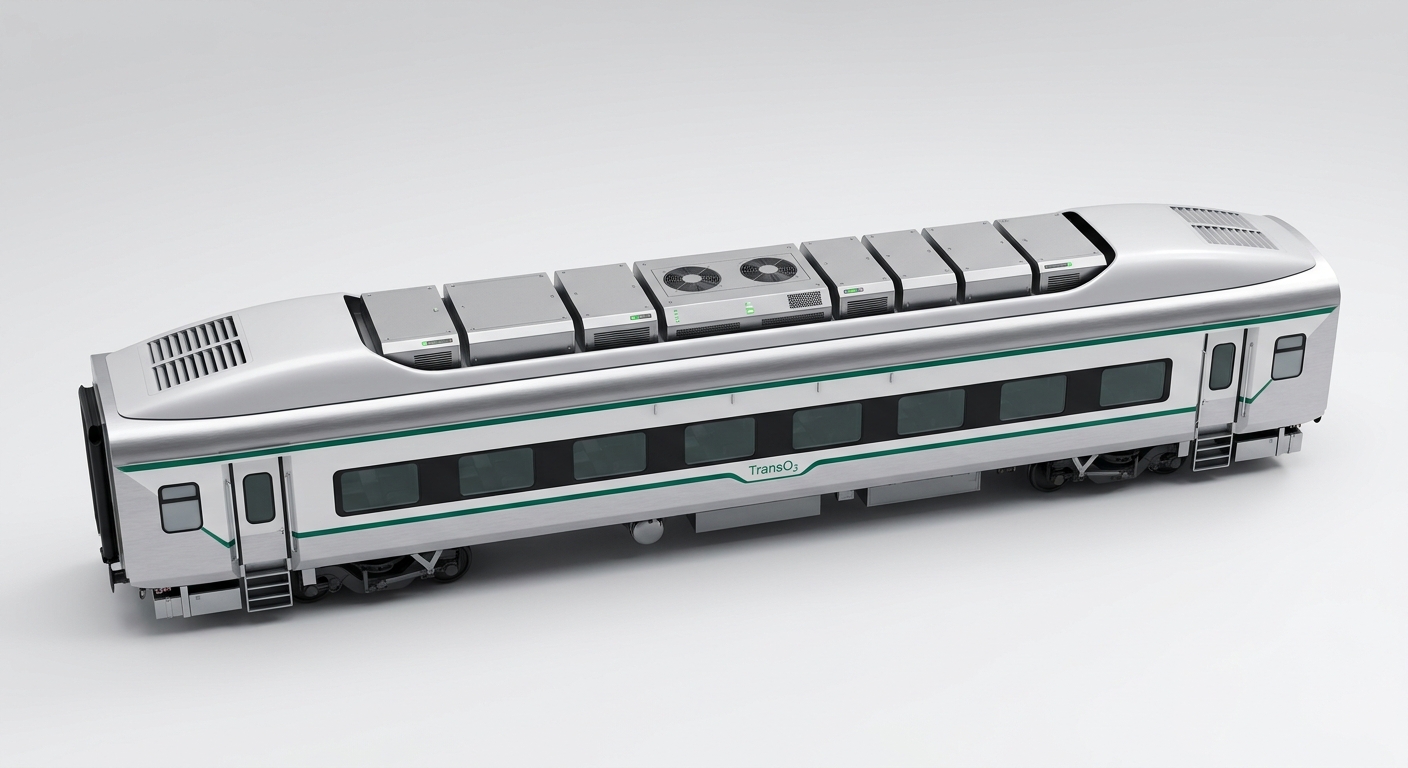
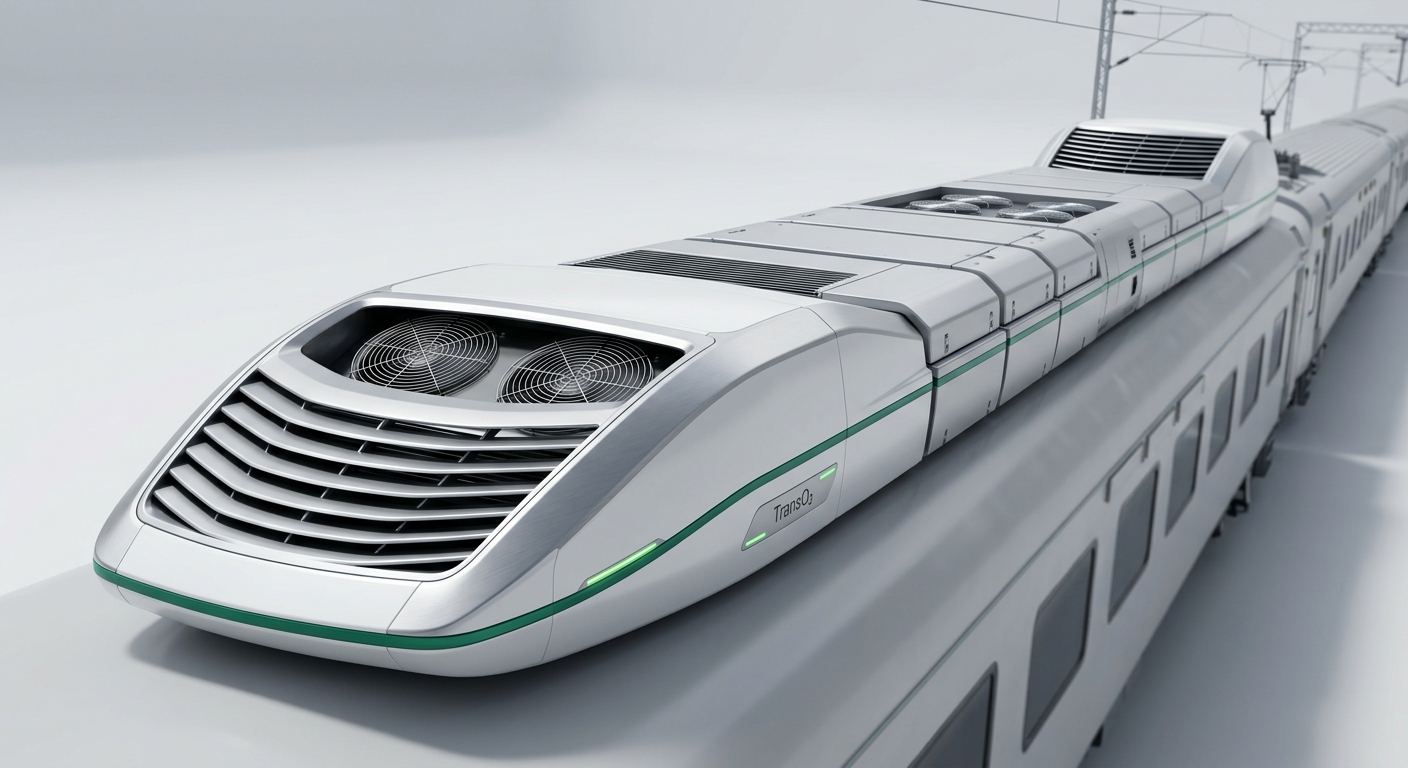
How the Integrated Environmental Resource Platform (IERP) fits within a ~460 mm aerodynamic, RDSO-compliant envelope on modern LHB coaches without intruding on passenger space or existing HVAC load paths.
Research PublicationTRN-003Onboard CO₂ Utilisation: From Capture to Fire Safety
Captured CO₂ becomes the working fluid in a closed R744 thermal loop and feeds a residue-free fire-suppression network — turning a captured emission into an onboard safety and efficiency resource.
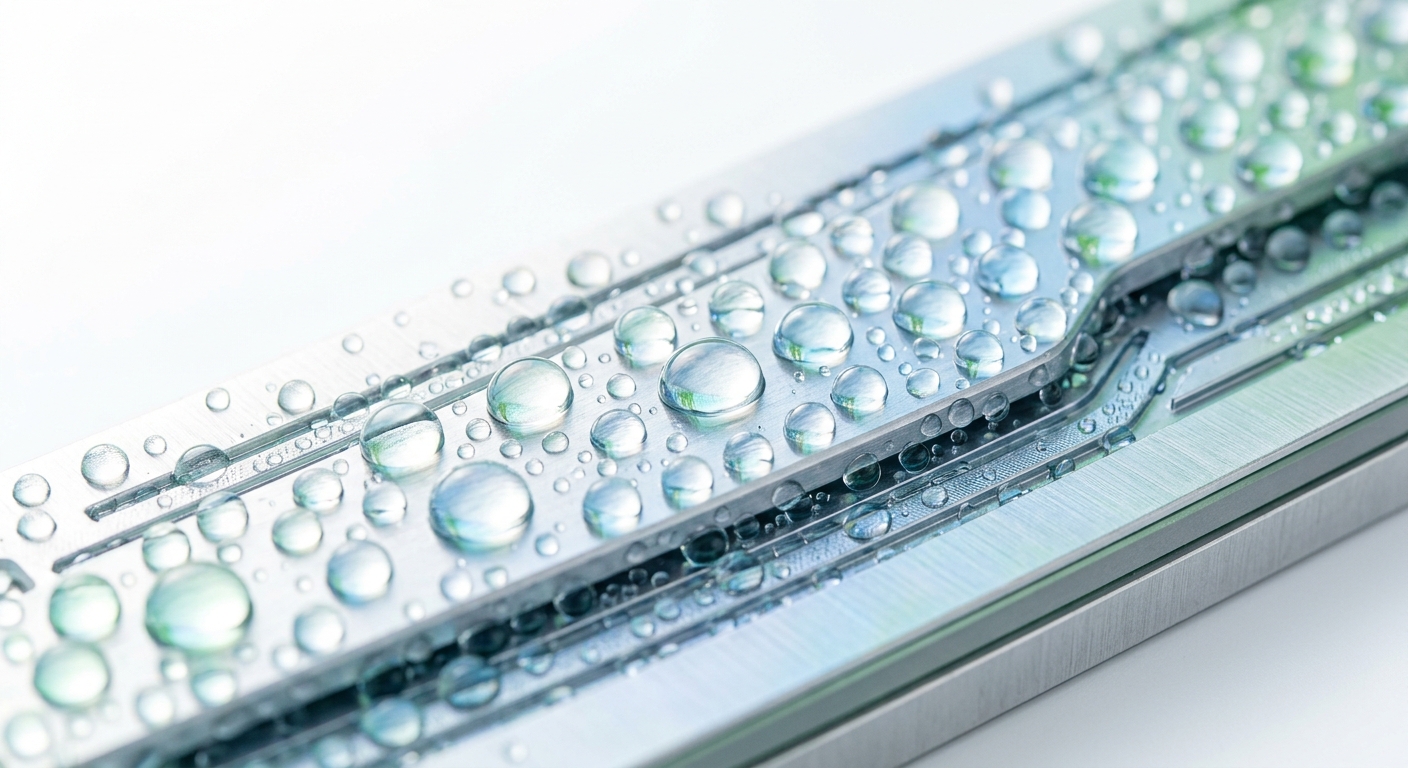
Technical BriefTRN-004Atmospheric Water Harvesting for Rolling Stock
Every air-conditioned coach continuously produces condensate as a byproduct of cooling. This brief outlines how that moisture can be captured, metered and prepared for reuse rather than discarded.
Investor InsightTRN-005Carbon Credits at Network Scale: A Conservative Model
At a conservative 50% capacity factor, network-wide deployment is projected to capture roughly 4.93 million tonnes of CO₂ per year — an estimated ₹420–630 crore annual carbon-credit opportunity under India's Carbon Credit Trading Scheme.
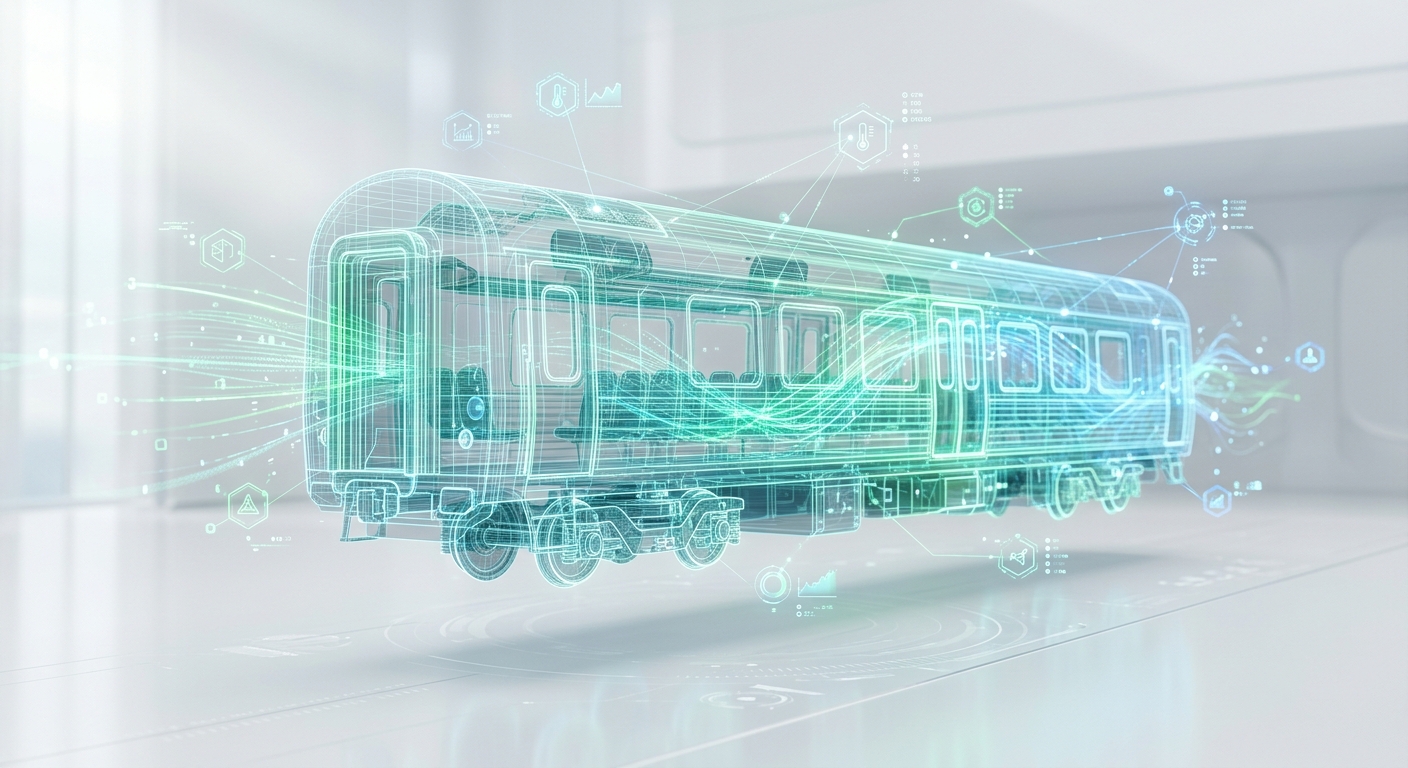
Technology OverviewTRN-006Edge AI and the Environmental Digital Twin
Onboard edge AI contextualises environmental data in real time, feeding a continuously updated digital twin that makes every vehicle's environmental performance auditable and predictable.
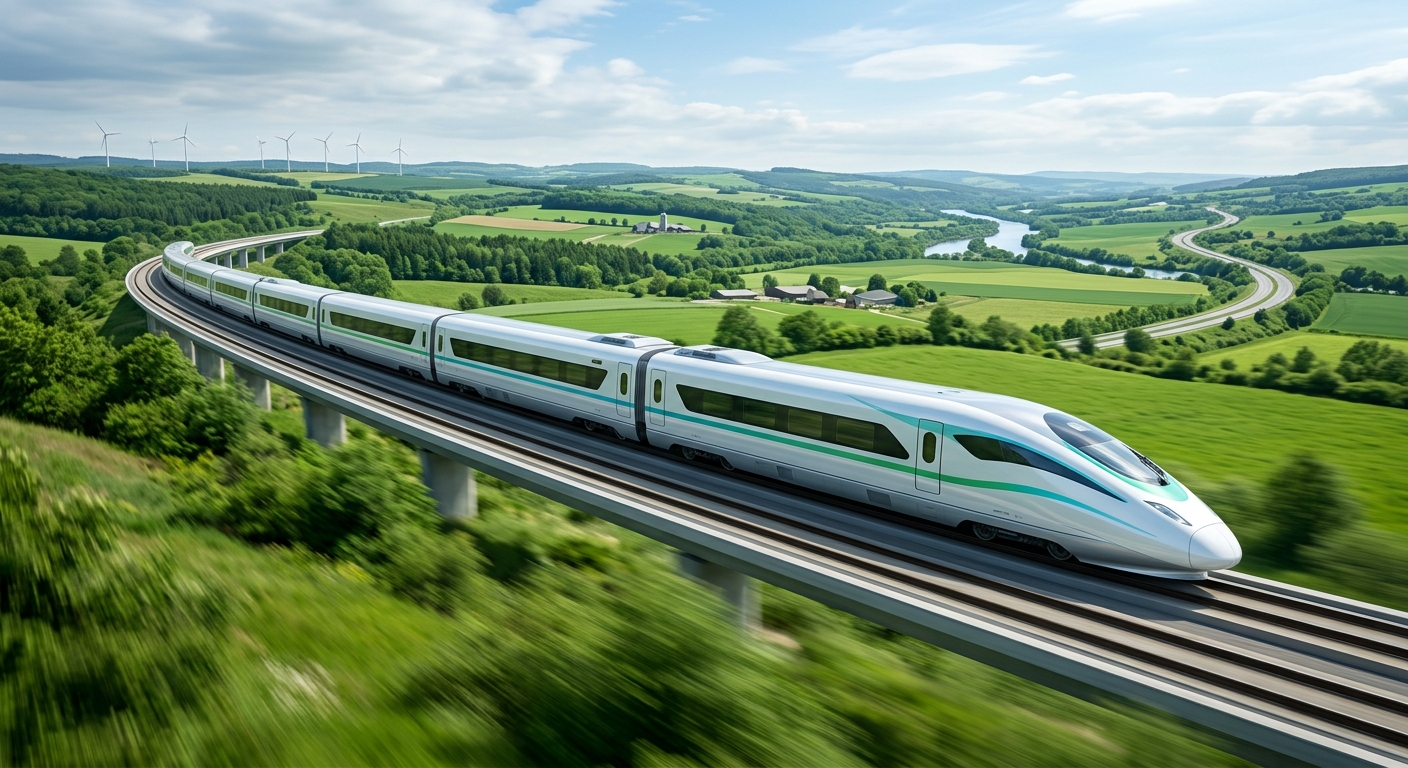
PerspectiveTRN-007Why Railways First: A Perspective on Sequencing Environmental Infrastructure
Standardised fleets, predictable duty cycles and ample rooftop area make railways an ideal starting point — with metro, high-speed rail, freight and urban buses as clear next steps.
A trust engine for environmental engineering
The TransO2 Knowledge Centre exists to advance the understanding of Environmental Infrastructure Engineering through original research, engineering thought leadership, systems design, and technology perspectives. Its purpose is to stimulate innovation, encourage interdisciplinary collaboration, and support the evolution of sustainable mobility through scientifically grounded engineering concepts and responsible technology development.